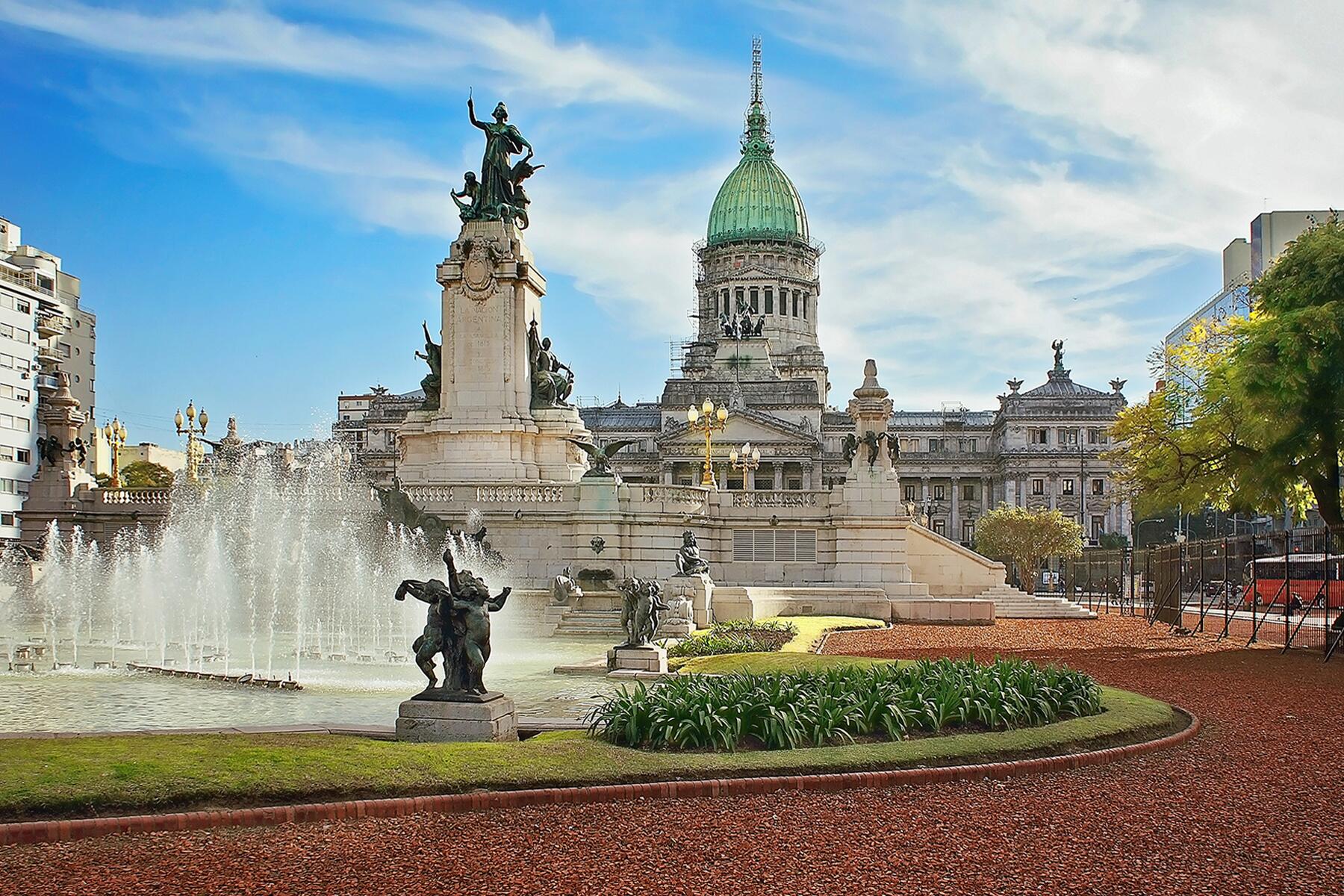

Argentina, a ground of vibrant acculturation, breathtaking landscapes, and fat account, is a treasure trove of Argentina Interesting Facts. From its bustling cities to its serene countryside, the country offers a unique blend of modernism and tradition. Whether you're a history buff, a nature partisan, or a food buff, Argentina has something fascinating to offering. Let's nosedive into some of the most intriguing aspects of this South American gem.
Geographical Wonders
Argentina's geographics is as various as it is arresting. The state is place to a variety of landscapes, from the towering Andes mountains to the huge plains of the Pampas. The Andes, which stretchability along the westerly borderline, include the highest crest outside of Asia, Aconcagua, standing at an impressive 6, 960. 8 meters. This mountain range not alone offers breathless views but also provides a habitat for unequaled flora and fauna.
Moving eastward, the Pampas are heroic grasslands that cover a significant portion of the country. These fecund plains are idealistic for farming and are frequently referred to as the "breadbasket of South America". The Pampas are also home to the iconic gauchos, skilled horsemen who have turn a symbol of Argentine finish.
In the south, the Patagonian part is a land of glaciers, fjords, and rugged coastlines. The Perito Moreno Glacier, one of the most accessible glaciers in the world, is a must see magnet. This glacier is part of the Los Glaciares National Park, a UNESCO World Heritage situation that offers arresting views and opportunities for hike and wildlife detection.
Argentina's coastline along the Atlantic Ocean is another geographic wonder. The city of Mar del Plata, known for its beautiful beaches and vibrant nightlife, is a democratic tourist destination. Further south, the Valdés Peninsula is a UNESCO World Heritage situation celebrated for its nautical life, including whales, sea lions, and penguins.
Cultural Richness
Argentina's cultural heritage is a vibrant tapestry woven from indigenous, European, and African influences. The country is celebrated for its tango, a passionate and expressive dance that originated in the deep 19th century. Buenos Aires, the great city, is often referred to as the "cradle of tango" and is home to legion milongas, or tango saltation halls, where visitors can live this iconic dance firsthand.
Argentine cuisine is another highlight of the country's ethnic profusion. The internal dish, asado, is a barbecue style meal featuring a variety of grilled meats. This culinary tradition is profoundly rooted in Argentine culture and is often enjoyed during societal gatherings and family celebrations. Other democratic dishes include empanadas, a type of zesty pastry, and dulce de leche, a sweetly, buff same spread.
Argentina is also home to a thriving literary scene. Notable authors such as Jorge Luis Borges and Julio Cortázar have made important contributions to worldwide lit. Borges, in special, is storied for his intricate and thinking provoking shortly stories and essays, which frequently research themes of time, memory, and individuality.
Historical Significance
Argentina's history is marked by important events and figures that have molded the country's indistinguishability. The May Revolution of 1810 was a pivotal moment in Argentina's conflict for independency from Spanish rule. This revolution led to the world of the First Junta, a administration body that set the foundation for Argentina's independence, which was officially declared in 1816.
One of the most iconic figures in Argentine account is José de San Martín, often referred to as the "Liberator of South America". San Martín played a crucial role in the independency movements of Argentina, Chile, and Peru. His military campaigns and strategic leadership were subservient in securing freedom for these countries from Spanish colonial principle.
In the 20th hundred, Argentina faced political convulsion and economic challenges. The country experienced a series of military coups and dictatorships, culminating in the Dirty War of the 1970s and 1980s. This stop was pronounced by widespread human rights abuses and the fade of thousands of mass. The legacy of this dark chapter in Argentine history continues to be a open of internal expression and remembrance.
Despite these challenges, Argentina has made important strides in late decades. The area has emerged as a leader in various fields, including science, technology, and the arts. Argentina's contributions to infinite exploration, for instance, are notable. The land launched its foremost orbiter, SAC A, in 1998, and has since continued to develop its space platform.
Economic and Technological Advancements
Argentina's saving is various and dynamic, with pregnant contributions from agriculture, manufacture, and services. The country is one of the world's leading producers of soybeans, corn, and wheat, and its agrarian sector plays a crucial use in the national economy. Additionally, Argentina is deep in instinctive resources, including minerals and fossil fuels, which farther boost its economic emergence.
In late years, Argentina has made significant strides in the field of technology. The land is home to a thriving startup ecosystem, with numerous innovational companies emerging in sectors such as fintech, e mercantilism, and bioengineering. Buenos Aires, in particular, has become a hub for tech entrepreneurship, attracting investors and gift from around the world.
Argentina's educational system is another area of strength. The country has a richly literacy pace and a good developed network of universities and inquiry institutions. Argentine universities are renowned for their academic excellency and have produced legion Nobel laureates and other imposing scholars.
Sports and Recreation
Sports play a ample persona in Argentine acculturation, with football (soccer) being the most popular. The country has produced some of the world's greatest football players, including Diego Maradona and Lionel Messi. The Argentine internal football team has a fat account of achiever, having won the FIFA World Cup twice, in 1978 and 1986.
Other democratic sports in Argentina include hoops, rugger, and polo. The area has a firm tradition in these sports and has produced legion international athletes. Polo, in exceptional, is a sport that has deep roots in Argentine culture and is often associated with the country's gaucho inheritance.
Argentina's natural landscapes also offering a riches of unpaid opportunities. The Andes mountains offer excellent weather for hiking, skiing, and mountaineering. The Patagonian area is a paradise for outside enthusiasts, with opportunities for trekking, wildlife observation, and adventure sports such as kayaking and rock climb.
In the city of Buenos Aires, visitors can enjoy a form of cultural and recreational activities. The metropolis is plate to numerous museums, theaters, and art galleries, as well as vibrant nightlife and dining options. The Teatro Colón, one of the world's most renowned opera houses, is a must sojourn for music and arts enthusiasts.
Unique Wildlife
Argentina's divers ecosystems living a ample mixture of wildlife. The area is home to numerous species of mammals, birds, reptiles, and amphibians, many of which are unequalled to the region. The Patagonian region, in particular, is known for its various wildlife, including guanacos, pumas, and Andean condors.
The Valdés Peninsula, a UNESCO World Heritage site, is a prime locating for wildlife showing. Visitors can find southerly right whales, sea lions, and elephant seals in their cognate habitats. The peninsula is also place to a variety of hiss species, including penguins and albatrosses.
In the northerly partially of the country, the Iguazú National Park is another wildlife haven. This park is home to the arresting Iguazú Falls, one of the world's largest waterfall systems. The park's juicy rainforests are base to a diverse array of plant and animal species, including jaguars, tapirs, and legion bird species.
Argentina's nautical life is evenly fascinating. The country's extensive coastline provides habitats for a variety of marine species, including dolphins, whales, and sea turtles. The Gulf of San Matías, set in the northern part of Patagonia, is a critical habitat for marine mammals and is an important area for conservation efforts.
Festivals and Celebrations
Argentina is known for its vivacious festivals and celebrations, which showcase the country's rich ethnic heritage. One of the most celebrated festivals is the Carnival of Gualeguaychú, held annually in the state of Entre Ríos. This fete features colorful parades, elaborate costumes, and lively music, attracting visitors from about the worldwide.
Another noteworthy jubilation is the Fiesta Nacional de la Vendimia, or the National Grape Harvest Festival, held in Mendoza. This fete celebrates the region's vino making custom and includes parades, concerts, and wine relishing events. Mendoza is one of Argentina's chancellor vino producing regions, known for its Malbec wines.
The Day of the Gaucho, illustrious on November 10th, honors the country's iconic cowboys. This day is marked by traditional gaucho competitions, music, and dance performances, providing a glance into Argentina's rural inheritance.
Christmas and New Year's Eve are also important celebrations in Argentina. Christmas is famous with house gatherings, traditional meals, and the exchange of gifts. New Year's Eve, known as Año Nuevo, is marked by fireworks, street parties, and the tradition of feeding xii grapes at midnight for thoroughly fate.
In the southerly region of Patagonia, the Fiesta Nacional de la Nieve, or the National Snow Festival, is a wintertime jubilation that includes skiing, snowboarding, and other winter sports. This festival attracts visitors from about the worldwide and showcases the region's rude beauty.
Architectural Marvels
Argentina's architectural landscape is a blend of compound, new, and contemporaneous styles. Buenos Aires, in finical, is known for its eclecticist architecture, which includes historical buildings, new skyscrapers, and innovative designs.
The Casa Rosada, or the Pink House, is one of the most iconic buildings in Buenos Aires. This historic building serves as the executive mansion and office of the President of Argentina. Its classifiable pinkish semblance and neoclassic intention shuffle it a recognizable landmark in the city.
The Teatro Colón, one of the world's most renowned opera houses, is another architectural gem. This neoclassic building features a arresting interior with intricate details and land of the art acoustics. The Teatro Colón is a must visit for music and arts enthusiasts.
In the responsibility of Córdoba, the Jesuit Block and Estancias of Córdoba is a UNESCO World Heritage situation that showcases the architectural bequest of the Jesuit missions. This site includes the Jesuit College, the Church of the Company of Jesus, and several estancias, or rural estates, that leave insight into the region's colonial history.
Modern architecture in Argentina is also notable. The Kavanagh Building, set in Buenos Aires, is a spectacular example of Art Deco architecture. This 120 time tall skyscraper was one of the tallest buildings in Latin America when it was completed in 1936 and remains an iconic landmark in the metropolis.
In the city of Rosario, the National Flag Memorial is a new architectural wonder. This memorial, designed by architect Amancio Williams, commemorates the creation of the Argentine flag and features a unique, nonfigurative design that symbolizes the country's history and culture.
Culinary Delights
Argentine cuisine is a delicious fusion of indigenous, European, and African influences. The country is renowned for its meat dishes, particularly asado, a barbecue vogue repast featuring a variety of barbecued meats. Asado is a societal event as much as a culinary have, often enjoyed with folk and friends.
Empanadas, a type of savory pastry, are another basic of Argentine cuisine. These handheld pies come in assorted fillings, including kick, chicken, and vegetables, and are much served as a bite or appetizer.
Dulce de leche, a sweet, caramel comparable dispersed, is a dear component in Argentine desserts. This creamy dainty is confirmed in a change of pastries, cakes, and ice creams, and is a must try for anyone visiting the country.
Argentina is also known for its wine, particularly Malbec. The country's vino producing regions, such as Mendoza and Salta, are celebrated for their high character wines. Visitors can enjoy wine tasting tours and vinery visits, learning about the winemaking summons and sampling some of the world's finest wines.
In the northern partially of the land, the cuisine reflects the region's indigenous influences. Dishes such as locro, a square sweat made with maize, meat, and vegetables, and humita, a sweet corn pud, are popular in the Andean neighborhood.
Seafood is another highlight of Argentine cuisine, particularly in coastal regions. Dishes such as ceviche, a raw fish dish marinated in citrus juices, and grilled fish are popular along the Atlantic seashore. The country's extensive coastline provides a wealth of unused seafood, making it a culinary goal for seafood lovers.
Argentina's culinary picture is divers and vivacious, offering a image of flavors and experiences that reflect the country's rich ethnic heritage. From traditional asado to modern merger cuisine, there is something for every palate to enjoy.
Argentina's culinary shot is various and vibrant, offering a stove of flavors and experiences that muse the country's rich cultural heritage. From traditional asado to modern merger cuisine, thither is something for every palate to love.
Argentina's culinary scene is diverse and vibrant, oblation a range of flavors and experiences that reflect the country's rich cultural inheritance. From traditional asado to new fusion cuisine, there is something for every palate to love.
Argentina's culinary picture is diverse and vivacious, offering a image of flavors and experiences that reflect the country's rich cultural inheritance. From traditional asado to new fusion cuisine, there is something for every palate to love.
Argentina's culinary scene is diverse and vibrant, offering a range of flavors and experiences that shine the country's rich cultural heritage. From traditional asado to modern fusion cuisine, there is something for every palate to relish.
Argentina's culinary scene is divers and vibrant, offer a range of flavors and experiences that reverberate the country's productive ethnic heritage. From traditional asado to modern merger cuisine, thither is something for every palate to enjoy.
Argentina's culinary scene is diverse and vivacious, offering a stove of flavors and experiences that reverberate the country's deep ethnic inheritance. From traditional asado to modern merger cuisine, thither is something for every palate to love.
Argentina's culinary scene is various and vibrant, oblation a image of flavors and experiences that reflect the country's rich ethnic heritage. From traditional asado to new fusion cuisine, thither is something for every palate to love.
Argentina's culinary scene is diverse and vivacious, offering a image of flavors and experiences that shine the country's rich ethnic heritage. From traditional asado to new coalition cuisine, thither is something for every palate to enjoy.
Argentina's culinary fit is diverse and vibrant, offer a stove of flavors and experiences that reverberate the country's racy ethnic inheritance. From traditional asado to new coalition cuisine, thither is something for every palate to love.
Argentina's culinary view is various and vibrant, offer a chain of flavors and experiences that reverberate the country's rich cultural heritage. From traditional asado to modern fusion cuisine, there is something for every palate to enjoy.
Argentina's culinary scene is various and vivacious, oblation a stove of flavors and experiences that shine the country's rich ethnic inheritance. From traditional asado to new coalition cuisine, thither is something for every palate to revel.
Argentina's culinary scene is various and vibrant, offer a range of flavors and experiences that reflect the country's robust cultural inheritance. From traditional asado to modern fusion cuisine, thither is something for every palate to relish.
Argentina's culinary scene is diverse and vibrant, oblation a range of flavors and experiences that reflect the country's rich ethnic heritage. From traditional asado to new merger cuisine, thither is something for every palate to revel.
Argentina's culinary setting is diverse and vibrant, offering a range of flavors and experiences that muse the country's deep cultural inheritance. From traditional asado to new merger cuisine, thither is something for every palate to enjoy.
Argentina's culinary scenery is diverse and vivacious, offering a reach of flavors and experiences that reflect the country's racy cultural heritage. From traditional asado to new fusion cuisine, there is something for every palate to revel.
Argentina's culinary picture is diverse and vivacious, oblation a chain of flavors and experiences that reverberate the country's rich ethnic heritage. From traditional asado to modern unification cuisine, there is something for every palate to love.
Argentina's culinary shot is diverse and vibrant, oblation a image of flavors and experiences that reflect the country's rich cultural inheritance. From traditional asado to new coalition cuisine, thither is something for every palate to enjoy.
Argentina's culinary fit is divers and vibrant, oblation a image of flavors and experiences that reverberate the country's rich ethnic inheritance. From traditional asado to new fusion cuisine, there is something for every palate to enjoy.
Argentina's culinary prospect is divers and vivacious, offer a reach of flavors and experiences that reflect the country's ample cultural heritage. From traditional asado to new fusion cuisine, there is something for every palate to revel.
Argentina's culinary view is diverse and vivacious, offering a reach of flavors and experiences that reflect the country's deep cultural inheritance. From traditional asado to new merger cuisine, there is something for every palate to enjoy.
Argentina's culinary scene is diverse and vibrant, offer a stove of flavors and experiences that shine the country's deep cultural inheritance. From traditional asado to new fusion cuisine, thither is something for every palate to enjoy.
Argentina's culinary setting is various and vivacious, offering a chain of flavors and experiences that muse the country's rich ethnic heritage. From traditional asado to new coalition cuisine, thither is something for every palate to enjoy.
Argentina's culinary picture is diverse and vibrant, offering a reach of flavors and experiences that reverberate the country's robust cultural inheritance. From traditional asado to new fusion cuisine, thither is something for every palate to relish.
Argentina's culinary setting is diverse and vibrant, oblation a range of flavors and experiences that muse the country's rich cultural heritage. From traditional asado to modern coalition cuisine, thither is something for every palate to enjoy.
Argentina's culinary prospect is diverse and vivacious, oblation a chain of flavors and experiences that reflect the country's rich cultural heritage. From traditional asado to new fusion cuisine, there is something for every palate to love.
Argentina's culinary fit is diverse and vibrant, offer a chain of flavors and experiences that shine the country's fertile ethnic heritage. From traditional asado to modern fusion cuisine, thither is something for every palate to enjoy.
Argentina's culinary scene is diverse and vibrant, offering a chain of flavors and experiences that reflect the country's robust ethnic heritage. From traditional asado to modern coalition cuisine, there is something for every palate to revel.
Argentina's culinary shot is divers and vivacious, oblation a stove of flavors and experiences that reflect the country's rich cultural heritage. From traditional asado to modern unification cuisine, thither is something for every palate to enjoy.
Argentina's culinary setting is diverse and vivacious, oblation a reach of flavors and experiences that reverberate the country's rich ethnic inheritance. From traditional asado to new unification cuisine, there is something for every palate to love.
Argentina s culinary scene is diverse and vivacious, offer a range of flavors and experiences that reflect the area s productive cultural inheritance. From traditional asado to new fusion cuisine, thither is something for every palate to
Related Terms:
- what is unique about argentina
- argentina interesting facts about history
- intresting things about argentina
- argentina interesting facts for kids
- cool things about argentina
- 10 fun facts about argentina