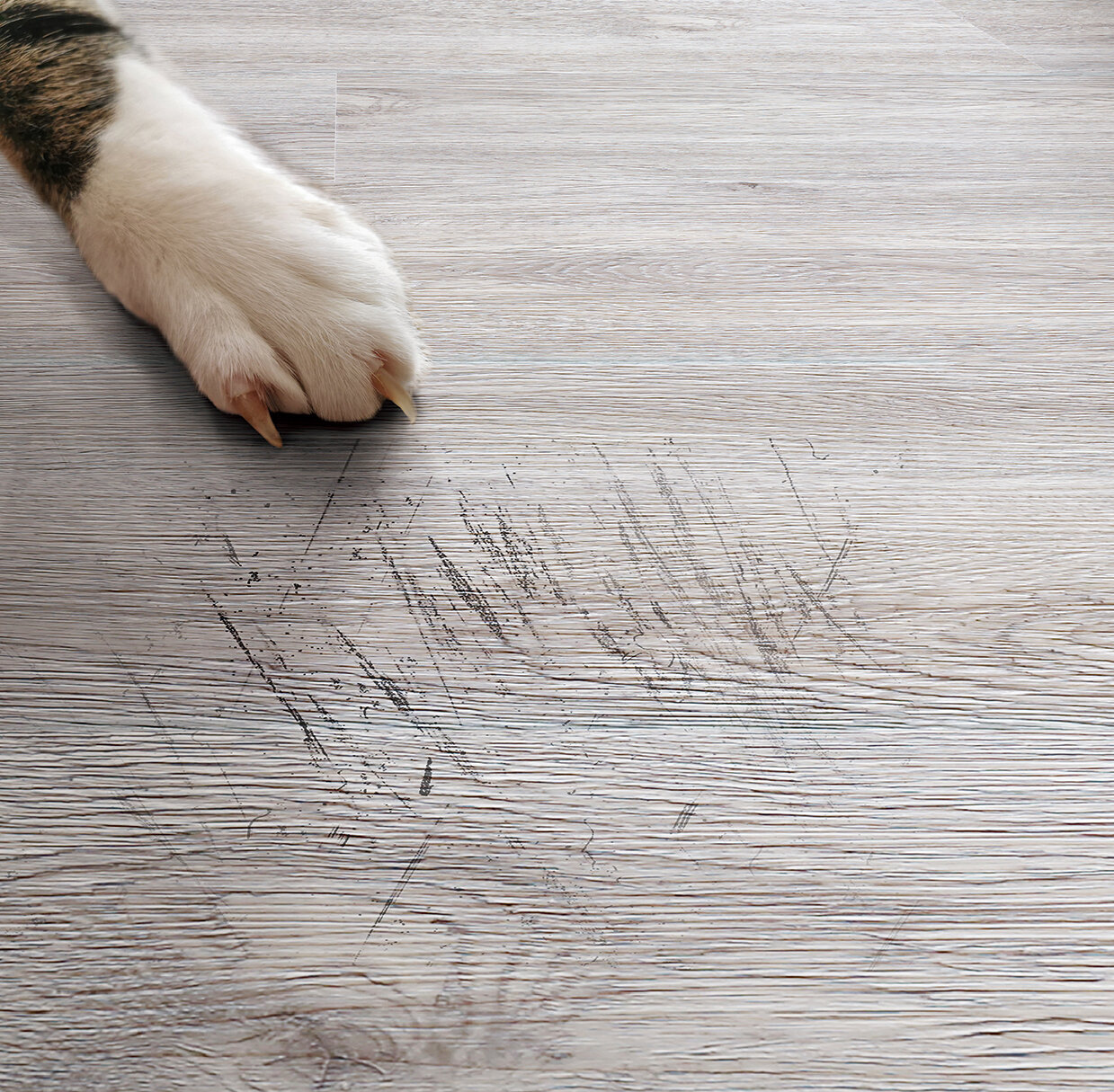

Cat pawing at the base is a behavior that captures both curiosity and vexation among cat owners. This rhythmical motion where a cat s paws rhythmically press, mark, or tap against hard surfaces much appears out of nowhere, leaving owners inquisitive what drives such a insistent action. While it may seem comparable a unsubdivided habit, cat pawing at the floor can signaling a chain of instincts, emotions, and yet health related concerns. Understanding why cats absorb in this behavior helps owners react befittingly, whether by enriching their environment or addressing rudimentary inevitably. From marking territory to expressing frustration, this usual felid gesture carries deeper pregnant beneath its surface simplicity.
One of the most akin explanations for cat pawing at the floor lies in instinctual behavior. Cats are descendants of fantastic felines whose survival depended on sharpening forcible and centripetal skills. Scratching and pawing help maintain hook health, take deadened pinpoint layers, and reinforce muscle memory. In domestic settings, this behavior often persists because the floor provides an ideal rise flat, stable, and approachable for practicing these crucial movements. Observing the pattern whether quickly taps or extended kneading can expose whether the cat is simply grooming or actively preparing for move.
| Common Triggers of Pawing Behavior | Explanation |
|---|---|
| Territory Marking | Cats have scent glands in their paws; pawing releases pheromones that claim space |
| Stress or Anxiety | Repetitive pawing may shine discomfort, specially during environmental changes |
| Boredom or Lack of Stimulation | Insufficient genial or forcible action leads to redirected behaviors |
| Prey Instinct Activation | Movement mimics hunting pawing simulates capturing target in loosely priming |
| Physical Discomfort | Joint hurting or paw innervation might cause pawing as a ego soothing response |
| Observe context and frequence | Note if pawing occurs subsequently quietly periods or during stress |
| Check environs for triggers | Ensure no new objects or changes provoke anxiety |
| Provide enrichment | Toys, climbing structures, and interactional maneuver decrease boredom |
Another key reason behind cat pawing at the floor is territorial marking. Cats possess perfume glands embedded in their paw pads, and when they pressing their paws into surfaces, they sedimentation pheromones that communicate possession and certificate. This behavior is especially obtrusive when a cat paws near doorways, furniture edges, or favorite resting floater. It s a elusive way of saying, This is mine. For multi cat households, pawing may deepen during transitions or imagination contest, signaling the need for balanced space and care.
Stress and anxiety ofttimes manifest through repetitious behaviors like pawing. When cats brass unfamiliar situations such as moving homes, new pets, or loud noises their aflutter scheme may induction determined actions as a coping mechanics. A cat repeatedly pawing at the floor might be trying to ego comfort or find control over a stressful environs. Recognizing this pattern allows owners to generate calmer spaces, offer quilt, and gently acclimatize the cat to change.
Some cats paw at the flooring due to physical irritation. Arthritis, paw injuries, or articulation severity can brand floor impinging painful, prompting the cat to avoid or interpolate how they interact with surfaces. Watching for signs same limping, reduced activity, or sensibility when touching paws helps identify aesculapian causes early. A vet visit ensures right aid and prevents chronic issues from declension.
Environmental enrichment plays a critical role in reduction undesirable pawing. Cats thrive on stimulation climb, scratching, concealment, and exploring. Without outlets, they may airt muscularity into insistent flooring pawing. Providing perpendicular spaces, scratch posts, mystifier feeders, and regular play sessions channels born instincts positively. A well aroused cat is less likely to engage in destructive or anxious pawing.
Not all pawing is elusive some instances reflect healthy wonder. Kittens, for instance, frequently paw at loosely surfaces while learning motive coordination. Adult cats may tap gently while resting, testing equilibrium or scoring bearing. Distinguishing betwixt normal exploration and concerning behavior requires attention to frequency, intensity, and accompanying signs like vocalization or hostility.
Owners should admonisher pawing patterns closely. Is it casual or constant? Gentle or emphatic? Does it pass in specific contexts? Tracking these details helps shape if the behavior stems from replete, emotion, or irritation. Small adjustments adding a new toy, rearranging furniture, or consulting a pro can importantly improve a cat s well being.
While cat pawing at the floor frequently reflects natural felid instincts, it can also signal deeper aroused or physical inevitably. By observant setting, maintaining a stimulant environs, and staying attentive to changes, owners foster healthier, happier cats. Understanding this behavior transforms puzzling moments into opportunities for association and maintenance, strengthening the bail between human and felid familiar.
Related Terms:
- cat paws at the level