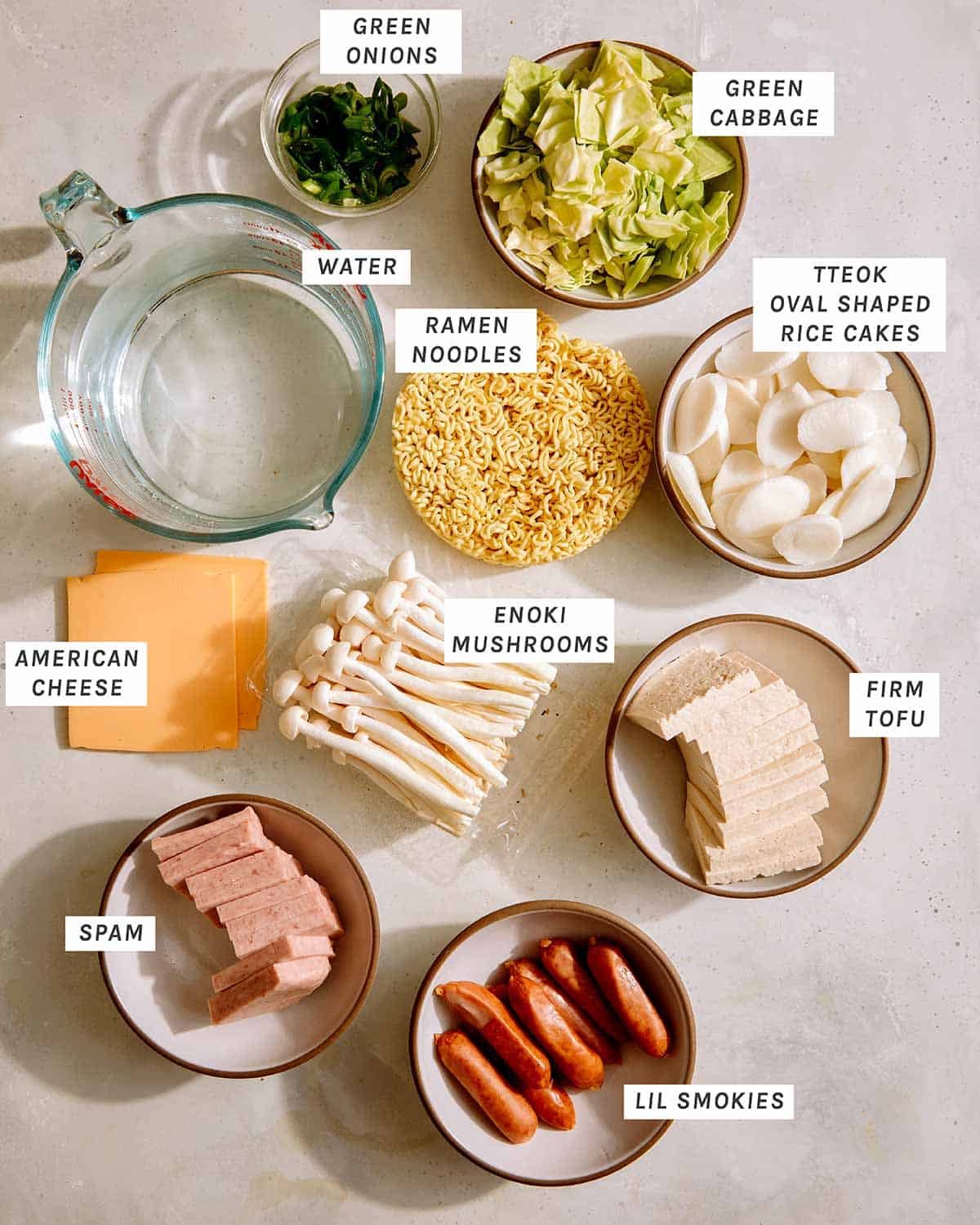

Korean sweat pot, known topically as gukbap sweat or just sweat pot, is more than just a cooking watercraft it s a ethnic foundation of Korean home cooking. This traditional apparatus allows families to simmer fat broths infused with seasonal vegetables, tender meats, and aromatic spices, creating unreservedly meals that nourish both consistence and psyche. Unlike quickly hustle fries or undivided dish recipes, the stew pot embodies forbearance, layered flavors, and deeply rooted culinary wisdom passed through generations. Whether preparing a elementary kimchi stew or a composite beef short rib pot, the sweat pot brings heat and authenticity to every service. Its design typically heavy bottomed and deep ensures still heat distribution, making it idealistic for tardily cooked perfection. In this guide, we scour how to captain the Korean stew pot, from selecting the right ingredients to achieving that perfective proportionality of grain and preference.
Understanding the Korean Stew Pot: Design and Function
The Korean stew pot, often crafted from cast iron or ceramic, features a thick mean that retains heat equally, crucial for slow stewing over low flames. Its deep cast allows ingredients to cook uniformly without burn, while a tight fitting lid traps steamer, enhancing flavor assimilation. Traditional models may include a handle on the side for safe handling and a spirt for easy ladling. Some new versions unite non joint coatings or removable inserts for easier cleaning. The pot s sizing varies, but most house sweat pots accommodate 4 6 liters, perfective for feeding a house or sharing with neighbors. The stew pot s versatility extends besides soups many Koreans use it to shuffle braised meats, fermented veggie stews, and still desserts like sweet red attic porridge. Its ability to transubstantiate humble ingredients into deeply satisfying dishes makes it indispensable in Korean kitchens.
| Feature | Importance | Benefit |
|---|---|---|
| Heavy bottom | Even heat dispersion | Prevents hot floater and ensures reproducible cookery |
| Deep shape | Maximizes stock book | Allows significant place for simmering and flavor melding |
| Tight meet lid | Steam memory | Enhances wet and depth of flavor |
| Handle design | Safe handling | Enables secure lifting during boiling |
Note: Using a mold press stew pot requires seasoner before first use to keep rusty and better non stick properties over meter.
Note: For optimum results, avoid sudden temperature changes rut the pot slowly from room temperature to bloody.
Note: Fermented ingredients similar kimchi or gochujang add complexity; add them later in cookery to preserve their unequalled flavors.
To begin crafting a memorable Korean sweat, scratch by selecting fresh, seasonal ingredients. Common choices include:
- Beef short ribs or brisket tender and racy in collagen for melting in your mouth grain
- Kimchi fermented cabbage that adds tangy depth and probiotic benefits
- Carrots, potatoes, and onions basic vegetables that assimilate stock flavors
- Mushrooms like shiitake or forest ear provide earthy richness and chewiness
- Goose or chickenhearted uncouth proteins that accompaniment the broth s warmth
Pro tip: Trim fat from substance before adding, but farewell some visible for flavor and moisture during long stewing.
Before adding ingredients, warmly the stew pot gently over low rut to eradicate any residual cold and keep caloric blow. This footstep helps assert consistent preparation temperatures passim the summons. Once het, commence by sautéing aromatics like ail, ginger, and scallions in a drizzle of benni oil this builds a nip foundation essential to Korean stews. Then, add meats and vegetables in layers, start with denser items similar root vegetables, followed by proteins. Stir occasionally to secure even browning and prevent jutting. The key is patience: appropriate each level to fake tardily, cathartic juices and infusing the broth with layered depth. Stirring too oftentimes can damp depressed textures, so aim for gentle, knowing movements. For broths enriched with fermented pastes same gochujang or doenjang, present them halfway to preserve their vibrant, acrid character. This heedful sequencing ensures a harmonious blending of textures from tender meat to curt vegetables without sacrificing magnificence or smell.
Note: Simmering multiplication motley beef stews often necessitate 2 3 hours, while lighter veggie versions may expect 45 minutes to an minute. Adjust based on ingredient sizing and craved heart.
As the sweat simmers, stay occasionally to deglaze the pot with a splattering of water or rice wine if needed, scraping up any browned bits for supererogatory depth. The last touch frequently comes from garnishes: a sprinkle of sliced unripe onions, a mizzle of benne oil, or a few crushed chilly flakes. These elements elevate display and refresh the palate with brightness. Served steaming hot, the Korean stew pot delivers a comforting bowlful of warmth, where every spoonful carries the person of centuries old tradition blended with mindful cookery.
Whether enjoyed on a cold wintertime evening or share during a festive assembly, the Korean sweat pot remains a timeless vessel of sustenance and connecter. Its enduring appeal lies not just in its functionality, but in the care poured into every simmer, every fuss, and every ingredient chosen with intention. Through this watercraft, Korean cuisine continues to tell stories of heritage, resilience, and the elementary joy of share meals.
Related Terms:
- korean hot pot soup base
- korean army base sweat recipe
- korean hot pot soup
- how to make korean sweat
- korean clay pot for cooking
- army hot pot