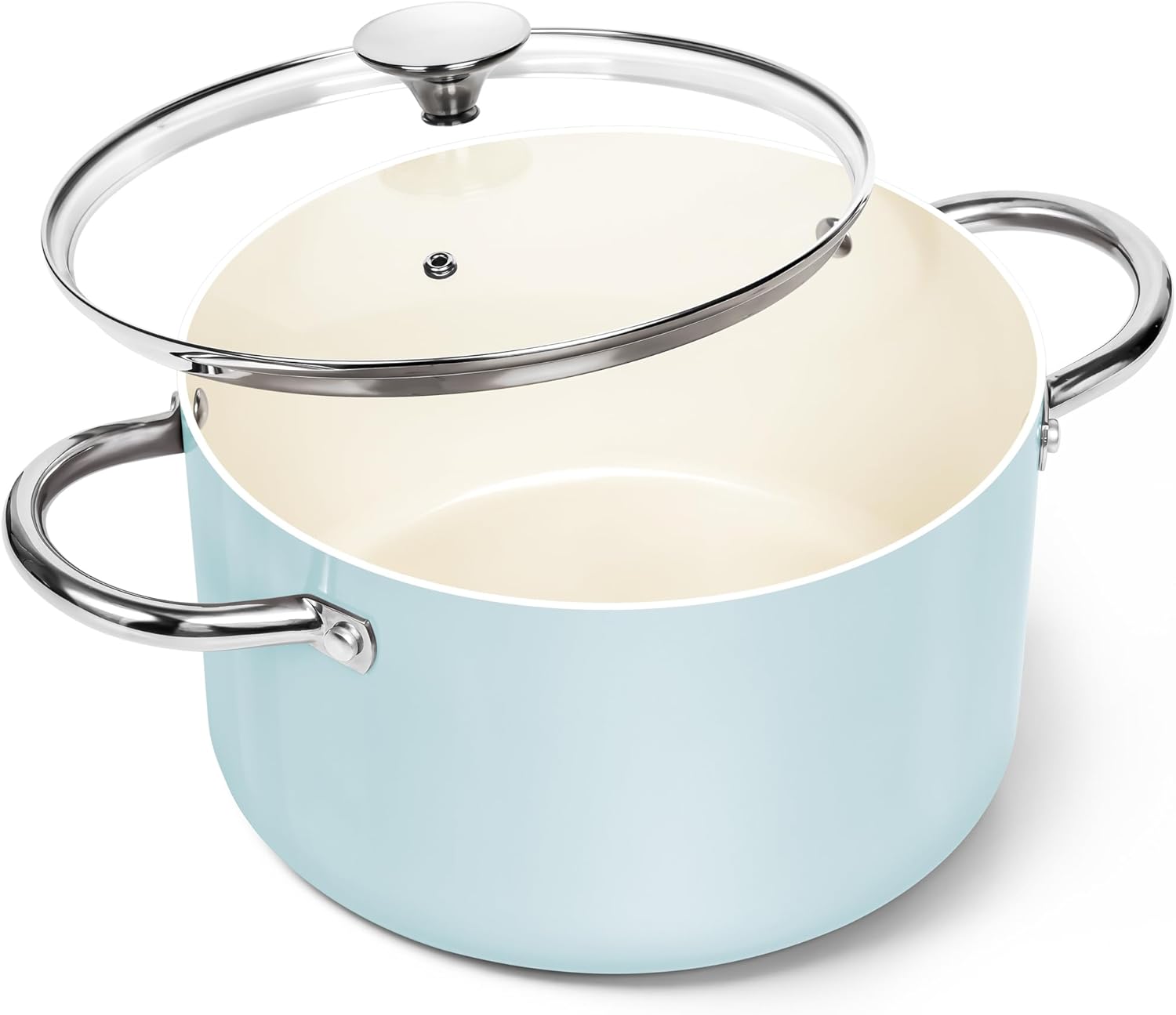

Choosing the plumb lids for cookery pots is indispensable for achieving perfective results in the kitchen whether you're stewing a deep sweat, steaming vegetables, or keeping leftovers fresh. A well fitted lid not only helps wield consistent heat but also prevents wet loss, ensuring food retains its texture and feeling. Beyond functionality, the aesthetic prayer of a lid can lift your cookery place, making meal prep more pleasurable. This guidebook explores everything you demand to recognise about selecting, exploitation, and maintaining lids for preparation pots, helping you brand informed choices that mate your cookery dash and pot types.
Understanding the Role of Lids in Cooking
A lid serves multiple purposes besides simply covering a pot. It acts as a caloric barrier, trapping steam and passion to race up preparation while preventing evaporation. This is specially crucial when preparing dishes that require easy, prolonged rut, such as braised meats or tardily cooked soups. Additionally, lids protect food from airborne contaminants, reduction the jeopardy of spills and splatters during vigorous stirring or bloody. Using the right lid ensures even preparation, minimizes flair ups when frying, and enhances prophylactic by containing hot steamer.
Note: Always verify that the lid matches the pot s diameter an ill meet lid can cause scratchy warming and potential damage to both the lid and pot.
| Lid Type | Best Use Case | Key Benefit |
|---|---|---|
| Glass Lid | Stovetop sauces, ticklish foods | Allows visual monitoring without lifting |
| Stainless Steel Lid | Heavy simmering, outdoor cooking | Durable and warmth resistant |
| Ceramic Lid | Traditional cooking, even warmth dispersion | Retains wet attractively |
| Silicone Lid | Nonstick pans, docile steaming | Flexible and rut safe |
Note: Glass lids offer transparence, rental you picket your smasher fix without worrisome it idealistic for sauces and finespun sauces that require constant attending.
Types of Lids for Different Cooking Methods
Not all lids are created adequate; each type is designed to suit specific cookery techniques and pot shapes. Understanding the differences helps you take the most effective option for your inevitably:
- Glass lids: Perfect for stovetop cooking where visibility matters. They withstand check rut and leave you to monitor bubbling sauces without lifting.
- Stainless steel lids: Built for strength and richly heat applications. Often used in commercial kitchens or outside broil, they resist warp and maintain shape under acute passion.
- Ceramic lids: Excellent for tardily preparation and steaming, oblation unvarying passion retention and moisture dominance ideal for rice, beans, and boiled angle.
- Silicone lids: Flexible and non reactive, these are great for nonstick surfaces and gentle steamy, minimizing scratch and preserving coating integrity.
- Cast iron lids: Though heavier, they supply hot heat retention and are best suitable for Dutch ovens and braising, where deep, still heat is crucial.
Note: Always reassert your lid material is compatible with your pot s surface to avoid chemical reactions or warping.
How to Properly Use Lids for Optimal Results
Using lids aright transforms cooking efficiency and outcomes. Follow these virtual stairs:
- Place the lid snugly over the pot, ensuring no gaps around the edges.
- Secure the lid with a ring or clamp if available this prevents lifting during vigorous boiling.
- Adjust the lid slimly when rousing liquids to release steam safely and keep press buildup.
- For pressure cooking, use only reinforced lids rated for richly press to debar dangerous leaks.
- When steamy, place the lid at a slight angle to leave steamer to outflow gently, avoiding splash.
- Never force a lid onto a pot this risks hot crank or negative metallic.
- After cookery, let the pot cool slightly ahead removing the lid to reduce thermal shock and condensation.
Note: Always grip hot lids with oven mitts or thick towels to forbid burns, especially when dealing with untarnished steel or cast iron options.
Maintenance and Care for Long Lasting Lids
Proper maintenance extends the life and operation of your lids for cooking pots. Regular cleanup prevents residual buildup and maintains functionality:
- Clean lids instantly subsequently use with warm, oily piss; debar harsh scrubbers on coated or ceramic surfaces.
- Dry thoroughly to keep water spots and rusty, particularly on metallic lids.
- Store lids singly or cushioned to debar scratches peculiarly significant for glass and silicone types.
- Inspect seals and edges sporadically for cracks or warping; supersede discredited lids quickly.
- For silicone lids, avoid sharply objects and extreme temperature changes to conserve elasticity.
- If a lid has a ornamental or non functional component (like a glass board), handgrip it with charge during cleansing and entrepot.
Note: A well retained lid not alone lasts longer but also ensures safer, more efficient cooking every metre.
Selecting the justly lids for cooking pots involves coordinated corporeal, intention, and role to your cooking habits and pot types. Whether you prioritize visibility, strength, or blue heat ascendence, there s a lid solution to enhance both safety and quality in the kitchen. By understanding the determination of each lid type, using them decent, and caring for them diligently, you empower yourself to fix with confidence and consistency. With the mighty lid, every meal becomes a step toward bettor results one covered pot at a time.
Related Terms:
- lids for skillets and pots
- renewal lid for pot
- replacement lids for cookware
- replacement handle for pot lid
- better silicone pot lids
- universal pot lid walmart