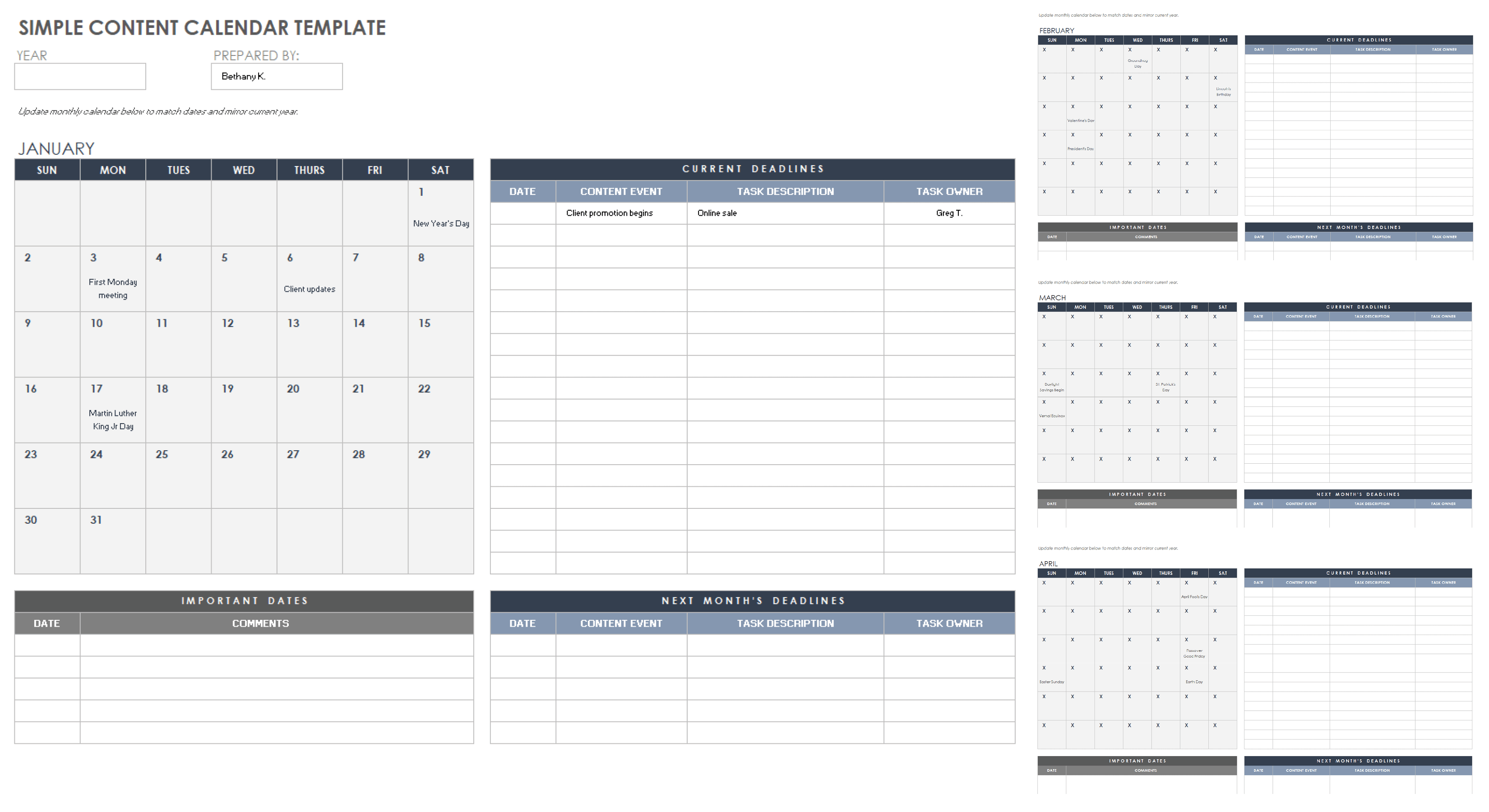

Linking LinkGoogle Sheets To Calendar is a powerful way to streamline scheduling, automate reminders, and keep your personal or professional calendar perfectly aligned with spreadsheet data. Whether you're managing team deadlines, tracking project milestones, or organizing personal appointments, integrating your sheets with your calendar eliminates manual entry and reduces errors. This process allows real-time updates so that every change in your sheet instantly reflects in your calendar view—keeping everyone on the same page without extra effort. By connecting these two tools, you unlock efficiency, clarity, and reliability in how you plan and track time across devices and platforms.
Why Linking Sheets to Calendar Matters
In today’s fast-paced environment, staying on top of schedules requires seamless integration between data storage and time management. Linking Link Google Sheets To Calendar ensures that every update—whether adding a new meeting, adjusting a deadline, or updating availability—is automatically mirrored in your calendar. This synchronization prevents missed appointments, double bookings, and outdated information. It also supports better collaboration when shared calendars reflect live data, making coordination smoother across teams or households. With this link, your spreadsheet becomes more than a record—it becomes an active scheduler that evolves with your workflow.
Step-by-Step Guide to Connecting Sheets with Calendar
To begin linking your LinkGoogle Sheets To Calendar, follow these clear steps designed for ease and accuracy:
| Step | Action | Details |
|---|---|---|
| 1. Open Your Spreadsheet | Launch the document in Link Google Sheets and verify all relevant data is organized clearly. | |
| 2. Access Calendar Settings | Navigate to the calendar view—either via the built-in calendar widget or by sharing the sheet with calendar integration enabled. | |
| 3. Enable Calendar Integration | In settings, activate the option to sync sheets with calendar; this often appears under “Advanced Settings” or “Integrations.” | |
| 4. Set Update Frequency | Choose how often changes should push to the calendar—real-time, daily, or manual refresh—based on your needs. | |
| 5. Test the Connection | Make a test edit in the sheet and confirm the calendar updates immediately, verifying data consistency. |
Note: Always ensure permissions allow calendar access—especially when sharing sheets with collaborators.
Note: Some platforms require enabling “Calendar Sync” in account settings; check your Sheets app preferences.
Note: If updates don’t appear, refresh both the sheet and calendar view, or recheck integration settings.
Best Practices for Managing Sheet-to-Calendar Links
To maintain optimal performance and reliability when working with LinkGoogle Sheets To Calendar, consider these practical tips:
- Use clear naming conventions in sheets to avoid confusion when multiple events exist.
- Limit real-time syncing to essential columns to reduce lag and improve responsiveness.
- Schedule regular audits of linked data to remove outdated entries and prevent clutter.
- Back up critical sheets before major sync changes to avoid accidental loss.
- Train team members on how to interpret calendar updates from sheets to ensure consistent usage.
Note: Automated links thrive on consistent data entry—encourage discipline to keep both systems accurate.
Linking Link Google Sheets To Calendar transforms how you manage time by merging structured data with dynamic scheduling. This integration empowers users to maintain accurate, up-to-date calendars without repetitive input, reducing human error and saving valuable minutes each day. As workflows grow more complex, this connection becomes indispensable for individuals and teams alike, turning scattered plans into synchronized, actionable timelines. Embracing this tool ensures your schedule remains reliable, transparent, and always ready for what’s next.