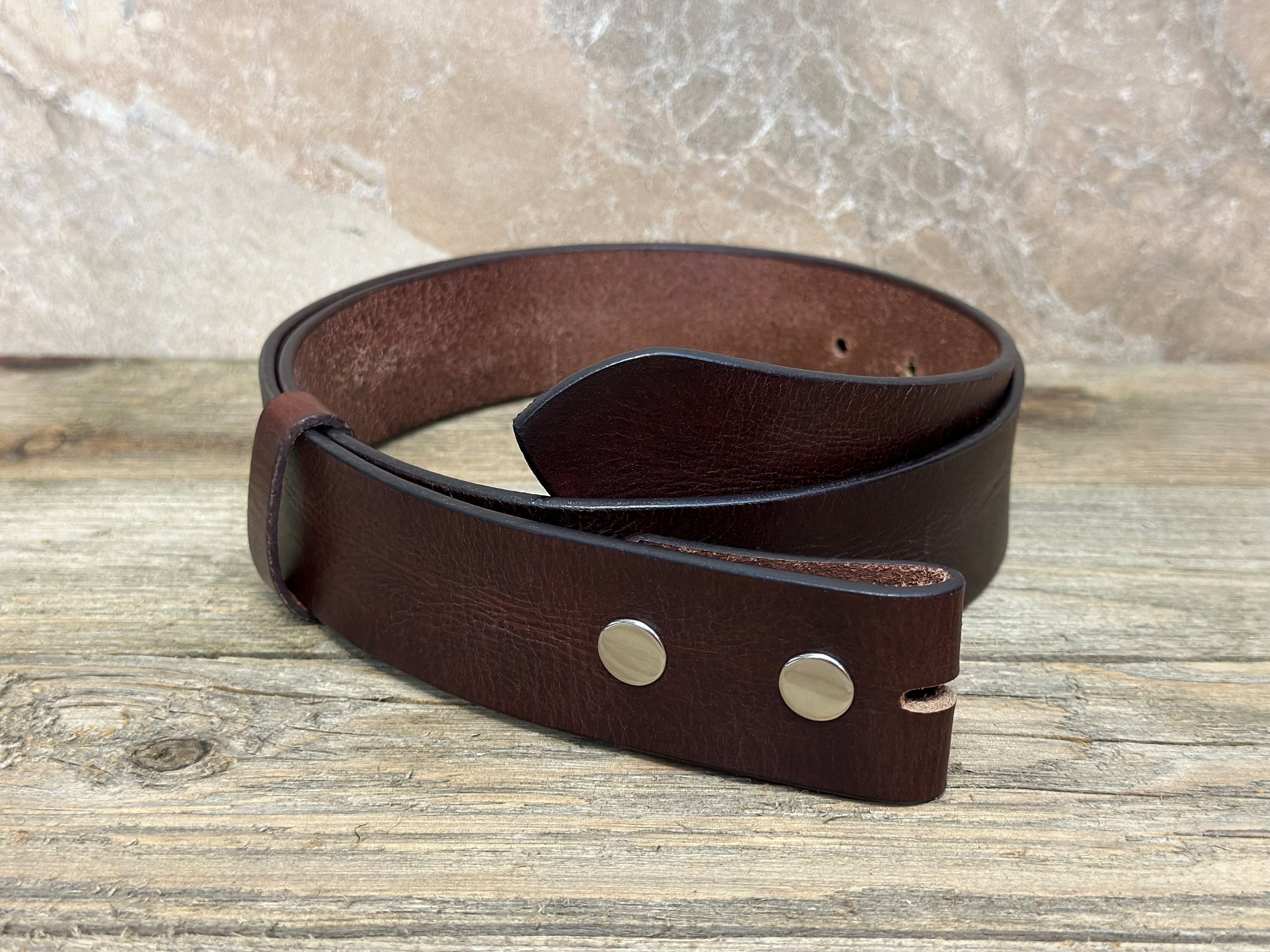

When it comes to automotive care and repair, having the mighty tools can shuffle all the difference. One essential creature that frequently goes unnoticed but plays a crucial role is the Snap On Belt. This various tool is designed to simplify the outgrowth of tightening and adjusting belts in diverse mechanical systems. Whether you're a master machinist or a DIY enthusiast, agreement the importance and functionality of a Snap On Belt can significantly raise your efficiency and accuracy.
Understanding the Snap On Belt
A Snap On Belt is a specialized tool used to conform and constrain belts in engines, machinery, and other mechanical systems. It is particularly utilitarian for ensuring that belts are right tensioned, which is vital for the suave operation of the system. The tool is intentional to be easy to use, still in tight spaces, making it an priceless addition to any toolkit.
Types of Snap On Belts
There are several types of Snap On Belts useable, each designed for specific applications. Understanding the different types can help you prefer the plumb peter for your inevitably.
- Serpentine Belt Tensioner: This type of Snap On Belt is used to adjust the tension of snaky belts, which are vulgar in new vehicles. It ensures that the belt is properly tensioned, preventing slippage and wear.
- V Belt Tensioner: V belts are used in assorted applications, including engines and industrial machinery. A V belt tensioner helps to maintain the right tensity, ensuring optimum performance.
- Timing Belt Tensioner: Timing belts are important for the synchronization of the engine's camshaft and crankshaft. A timing belt tensioner ensures that the knock is right tensioned, preventing timing issues and potential engine price.
Benefits of Using a Snap On Belt
Using a Snap On Belt offers several benefits, devising it a must have creature for anyone involved in automotive or mechanical repair.
- Precision Adjustment: The shaft allows for accurate alteration of knock tension, ensuring that the belt is neither too free nor too closely.
- Ease of Use: Designed with user friendliness in mind, a Snap On Belt can be secondhand still in close spaces, making it idealistic for composite mechanical systems.
- Durability: Made from richly timber materials, these tools are reinforced to last, providing reliable performance over time.
- Versatility: Available in various types, Snap On Belts can be used for a wide chain of applications, from automotive haunt to industrial machinery sustenance.
How to Use a Snap On Belt
Using a Snap On Belt is straightforward, but it's essential to follow the right stairs to secure right tensioning. Here's a step by step scout:
- Identify the Belt: Determine the case of swath you need to adjust. This could be a serpentine belt, V belt, or timing belt.
- Locate the Tensioner: Find the tensioner block or adjustment mechanics for the belt. This is usually located nigh the swath and can be identified by its adjustable nature.
- Apply the Tool: Place the Snap On Belt tool on the tensioner pulley. Ensure that the tool is firmly in spot and straight correctly.
- Adjust the Tension: Use the tool to use the necessary pressure to aline the knock tension. Follow the manufacturer's guidelines for the correct tension specifications.
- Check the Tension: After adjusting, check the knock tension to secure it meets the required specifications. This can be done exploitation a swath stress gauge or by following the manufacturer's guidelines.
- Secure the Tensioner: Once the right tension is achieved, secure the tensioner in place to conserve the adjustment.
Note: Always refer to the fomite or machinery manual for particular tension specifications and guidelines.
Maintenance Tips for Snap On Belts
To control the seniority and effectuality of your Snap On Belt, it's important to watch right maintenance practices. Here are some tips to keep your tool in top condition:
- Regular Inspection: Inspect the prick regularly for any signs of wear or impairment. Replace any haggard out parts immediately.
- Cleaning: Keep the instrument clean and free from debris. Use a soft cloth to wipe it low after each use.
- Storage: Store the cock in a dry, coolheaded place to forbid rusty and corroding. Use a protective slip if uncommitted.
- Lubrication: Apply a swooning lubricant to moving parts to ensure smooth operation and keep wear.
Common Issues and Troubleshooting
Even with right use and sustentation, you may brush issues with your Snap On Belt. Here are some usual problems and their solutions:
| Issue | Solution |
|---|---|
| Belt Slippage | Check the knock tension and adjust as necessary. Ensure the swath is decent straight and not worn out. |
| Excessive Noise | Inspect the knock and pulleys for any signs of wearing or damage. Replace any worn out components. |
| Difficulty Adjusting | Ensure the pecker is decently aligned and secured. Check for any obstructions or terms to the tensioner mechanics. |
Note: If issues run, confab the manufacturer's guidelines or search professional aid.
Conclusion
The Snap On Belt is an essential peter for anyone tortuous in automotive or mechanical repair. Its precision, ease of use, and versatility make it a valuable addition to any toolkit. By intellect the different types of Snap On Belts and following right custom and maintenance practices, you can control optimal execution and seniority of your mechanical systems. Whether you re a professional mechanic or a DIY fancier, investing in a high character Snap On Belt can importantly enhance your efficiency and truth in belt adjustment tasks.
Related Terms:
- snap on knock tool
- snap on mechanics knock
- belts with snaps for buckles
- snap on belt for men
- leather belt with snaps
- snap on no scraping knock