
In the quickly evolving worldwide of sports, information has get an essential tool for teams, athletes, and analysts. The part of a Sports Data Analyst has gained significant prominence, transforming how sports are played, managed, and understood. This blog delves into the multifaceted world of sports information analysis, exploring the skills required, the tools used, and the impingement of information goaded decisions on the sports diligence.
Understanding the Role of a Sports Data Analyst
A Sports Data Analyst is creditworthy for collecting, analyzing, and interpreting information to leave insights that can enhance execution, scheme, and determination making in sports. This function involves workings with a variety of data sources, including musician statistics, spirited footage, and external factors same weather conditions. The basal destination is to identify patterns, trends, and correlations that can be leveraged to amplification a militant bound.
Key responsibilities of a Sports Data Analyst include:
- Collecting and cleansing data from various sources.
- Developing and maintaining databases and information direction systems.
- Analyzing data to place trends and patterns.
- Creating visualizations and reports to pass findings to stakeholders.
- Collaborating with coaches, athletes, and other analysts to implement information compulsive strategies.
Essential Skills for a Sports Data Analyst
To surpass as a Sports Data Analyst, one must have a combination of expert and analytical skills. Here are some of the indispensable skills needed:
- Statistical Analysis: Proficiency in statistical methods and techniques is essential for interpreting information accurately.
- Programming Skills: Knowledge of programming languages such as Python, R, and SQL is substantive for data use and psychoanalysis.
- Data Visualization: The ability to generate clearly and informative visualizations exploitation tools similar Tableau, Power BI, or Matplotlib.
- Domain Knowledge: A late reason of the summercater in inquiry is critical for contextualizing information and providing relevant insights.
- Problem Solving: The power to name problems, train hypotheses, and tryout solutions exploitation information.
- Communication Skills: Effective communicating of findings to non technical stakeholders is essential for impulsive information driven decisions.
Tools and Technologies Used by Sports Data Analysts
Sports Data Analysts rely on a variety of tools and technologies to perform their tasks efficiently. Some of the most commonly secondhand tools include:
- Programming Languages: Python and R are widely secondhand for information analysis and statistical modeling.
- Database Management Systems: SQL is crucial for managing and querying boastfully datasets.
- Data Visualization Tools: Tableau, Power BI, and Matplotlib are popular for creating visualizations.
- Statistical Software: Tools similar SPSS and SAS are used for advanced statistical psychoanalysis.
- Machine Learning Libraries: Libraries like scikit learn and TensorFlow are used for predictive molding and car learning.
Additionally, Sports Data Analysts much use specialized software and platforms intentional for sports analytics, such as:
- SportVU: A thespian tracking scheme that provides detailed information on instrumentalist movements and interactions.
- Opta: A sports information provider that offers comp statistics and analytics for assorted sports.
- Catapult: A wearable engineering that tracks jock operation and biometrics.
Applications of Sports Data Analysis
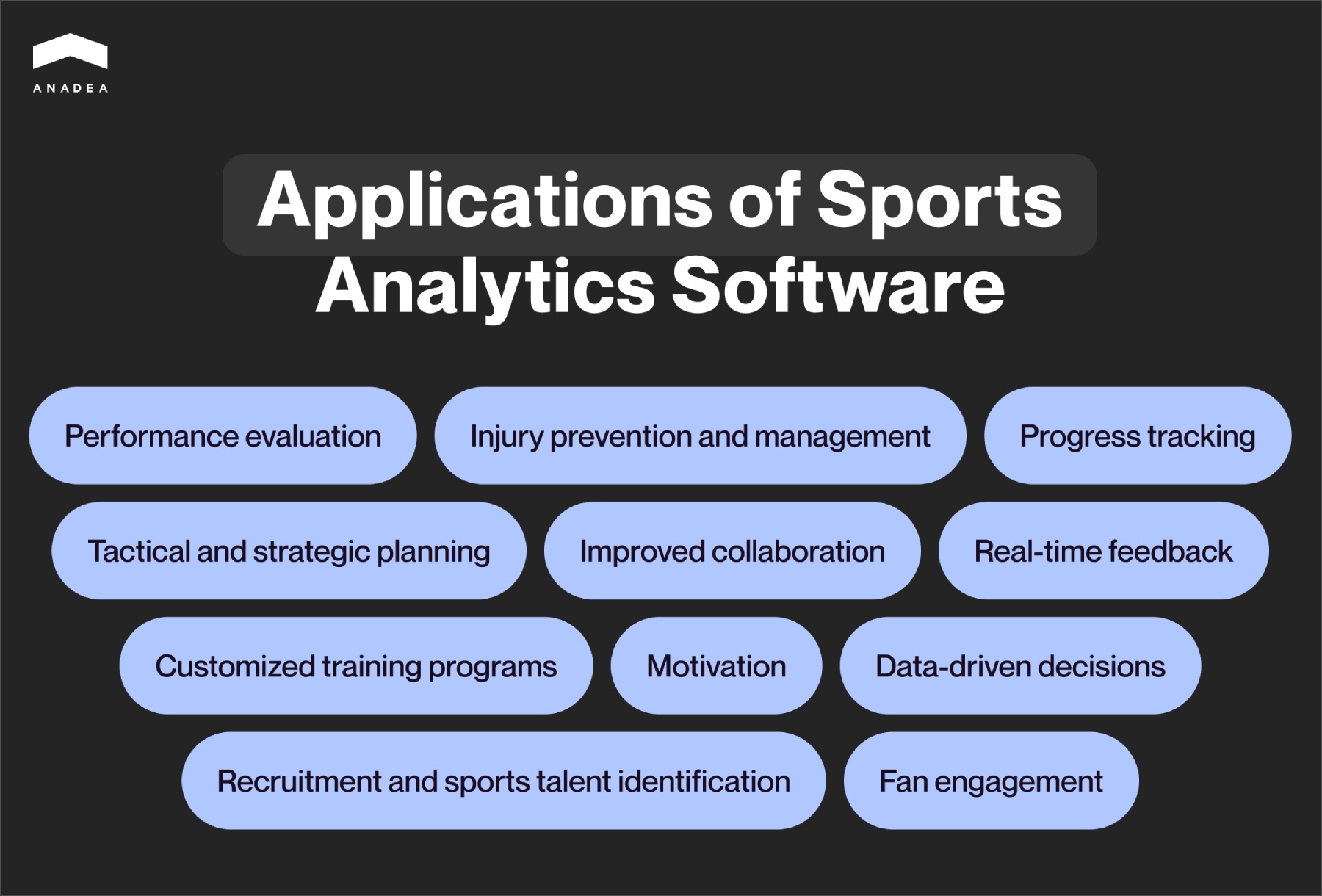
The applications of sports data psychoanalysis are huge and varied. Here are some key areas where information driven insights are making a ample impact:
- Performance Analysis: Analyzing player execution to identify strengths and weaknesses, and to develop personalized preparation programs.
- Injury Prevention: Using information to proctor jock health and call likely injuries, thereby reducing the danger of injuries.
- Tactical Strategy: Developing game strategies based on information goaded insights, such as opposing analysis and team kinetics.
- Recruitment and Scouting: Identifying talented players by analyzing their performance information and potential.
- Fan Engagement: Enhancing fan experience by providing very time statistics and synergistic visualizations during games.
Case Studies: Success Stories in Sports Data Analysis
Several sports teams and organizations have successfully leveraged data analytics to reach notable results. Here are a few remarkable examples:
Moneyball and the Oakland Athletics: The Oakland Athletics, below the leadership of Billy Beane, revolutionized baseball by using information analytics to name undervalued players. This approach, popularized in the script and movie "Moneyball", led to the team's success disdain having a special budget.
NBA and Player Tracking: The NBA has implemented player trailing systems like SportVU to gather detailed information on player movements. This data is confirmed to better player performance, develop strategies, and enhance fan engagement.
English Premier League and Opta: The English Premier League uses Opta's information analytics to supply comprehensive statistics and insights. This data is used by teams for tactical analysis, thespian enlisting, and fan betrothal.
Challenges Faced by Sports Data Analysts
While the character of a Sports Data Analyst is highly rewarding, it also comes with its own set of challenges. Some of the key challenges include:
- Data Quality: Ensuring the accuracy and reliability of data is important for making informed decisions. Poor information caliber can lead to incorrect insights and decisions.
- Data Privacy: Handling sensitive instrumentalist data requires strict adherence to privacy regulations and ethical standards.
- Technological Limitations: Keeping up with the latest technologies and tools can be intriguing, as the airfield of data analytics is forever evolving.
- Stakeholder Buy In: Convincing coaches, athletes, and other stakeholders to dramatise data driven strategies can be hard, especially in traditional sports cultures.
Note: Addressing these challenges requires a combination of technical expertise, honourable considerations, and efficacious communicating.
Future Trends in Sports Data Analysis
The future of sports data psychoanalysis is brilliantly, with several emerging trends poised to overturn the diligence. Some of the key trends include:
- Artificial Intelligence and Machine Learning: AI and car scholarship algorithms are being secondhand to predict player execution, name patterns, and modernise personalized education programs.
- Wearable Technology: Wearable devices are decent more advanced, providing real time data on athlete execution, health, and biometrics.
- Virtual and Augmented Reality: VR and AR technologies are being confirmed for immersive training and fan involvement.
- Big Data and Cloud Computing: The use of big information and swarm computing is enabling the memory and analysis of huge amounts of data, providing deeper insights and more precise predictions.
Additionally, the integration of information from multiple sources, such as social media, fan conflict platforms, and external factors like weather weather, is providing a more holistic view of the sports ecosystem.
Educational Pathways for Aspiring Sports Data Analysts
For those interested in pursuing a vocation as a Sports Data Analyst, thither are respective educational pathways to regard. These include:
- Degree Programs: Pursuing a arcdegree in statistics, data skill, or a related theater can provide a warm foundation in the essential skills and cognition.
- Certifications: Obtaining certifications in information psychoanalysis, machine learning, or specific tools same Tableau or SQL can enhance your certification.
- Online Courses: Platforms similar Coursera, edX, and Udemy offer specialized courses in sports information psychoanalysis.
- Internships and Work Experience: Gaining hardheaded see through internships or introduction level positions in sports organizations can be priceless.
Moreover, staying updated with the latest trends and technologies in the plain through continuous learning and professional growing is crucial for long term winner.
Building a Career as a Sports Data Analyst
Building a successful career as a Sports Data Analyst requires a combination of proficient skills, domain cognition, and practical feel. Here are some steps to help you get started:
- Develop Technical Skills: Focus on mastering programing languages, statistical methods, and data visualization tools.
- Gain Domain Knowledge: Deepen your understanding of the summercater you are concerned in, including its rules, strategies, and key players.
- Build a Portfolio: Create a portfolio showcasing your projects, analyses, and visualizations to demonstrate your skills and expertise.
- Networking: Connect with professionals in the plain through conferences, workshops, and online communities.
- Seek Opportunities: Look for internships, entry tied positions, or independent projects to gain hardheaded experience.
Note: Building a successful career in sports data analysis requires dedication, continuous erudition, and a heat for both information and sports.
Impact of Sports Data Analysis on the Industry
The impact of sports data analysis on the diligence is fundamental and far reaching. Data driven insights are transforming how sports are played, managed, and experient. Some of the key impacts include:
- Enhanced Performance: Athletes and teams are using data to improve their operation, grow strategies, and amplification a competitive bound.
- Injury Prevention: Data analytics is helping to monitor jock health and predict potential injuries, reducing the risk of injuries and improving participant longevity.
- Fan Engagement: Data driven insights are enhancing fan feel through very meter statistics, interactive visualizations, and personalized contented.
- Recruitment and Scouting: Data analytics is revolutionizing instrumentalist enlisting and scouting by identifying gifted players based on execution information and possible.
- Strategic Decision Making: Coaches and managers are exploitation information to make informed decisions about team survival, lame strategies, and farseeing condition planning.
Moreover, the integrating of data from multiple sources is providing a more comp eyeshot of the sports ecosystem, enabling stakeholders to brand more informed and strategical decisions.
Ethical Considerations in Sports Data Analysis
While sports information analysis offers numerous benefits, it also raises significant ethical considerations. Some of the key ethical issues include:
- Data Privacy: Ensuring the concealment and protection of instrumentalist information is crucial. Unauthorized entree or abuse of information can have serious consequences.
- Bias and Fairness: Data goaded decisions must be fairly and unbiased. Ensuring that algorithms and models are free from bias is essential for ethical data analysis.
- Transparency: Being guileless about information collection, psychoanalysis, and decision devising processes is significant for edifice combine and accountability.
- Consent: Obtaining informed consent from athletes and other stakeholders before collection and exploitation their data is a fundamental honourable rationale.
Addressing these honorable considerations requires a combination of technical expertise, ethical guidelines, and regulative frameworks. Organizations must prioritize honourable data practices to secure the responsible use of information in sports.
Key Metrics and KPIs for Sports Data Analysts
To standard the effectiveness and impingement of sports information analysis, Sports Data Analysts use various key metrics and key operation indicators (KPIs). Some of the key metrics and KPIs include:
| Metric KPI | Description |
|---|---|
| Player Performance Metrics | Metrics such as goals scored, assists, shooting percent, and pass completion rate. |
| Team Performance Metrics | Metrics such as win loss ratio, points per game, and defensive efficiency. |
| Injury Metrics | Metrics such as harm pace, retrieval clip, and injury bar effectiveness. |
| Fan Engagement Metrics | Metrics such as societal media engagement, tag sales, and fan gratification. |
| Recruitment Metrics | Metrics such as player accomplishment price, retention pace, and performance of recruited players. |
These metrics and KPIs aid Sports Data Analysts to measure the impact of their analyses, place areas for melioration, and make data driven decisions to raise execution and reach organizational goals.
In the quickly evolving world of sports, information has suit an essential tool for teams, athletes, and analysts. The part of a Sports Data Analyst has gained significant magnitude, transforming how sports are played, managed, and understood. This blog has explored the multifaceted worldwide of sports data analysis, from the substantive skills and tools required to the impact of information goaded decisions on the sports industry. As the field continues to develop, the requirement for skilled Sports Data Analysts is expected to grow, offering exciting opportunities for those passionate about both data and sports. The future of sports data psychoanalysis is bright, with emerging trends and technologies poised to inspire the industry. By staying updated with the modish developments and incessantly honing their skills, Sports Data Analysts can play a polar role in formative the future of sports.
Related Terms:
- sports data distant jobs
- outback sports information entry jobs
- nfl data unveiling jobs
- sports data collection jobs