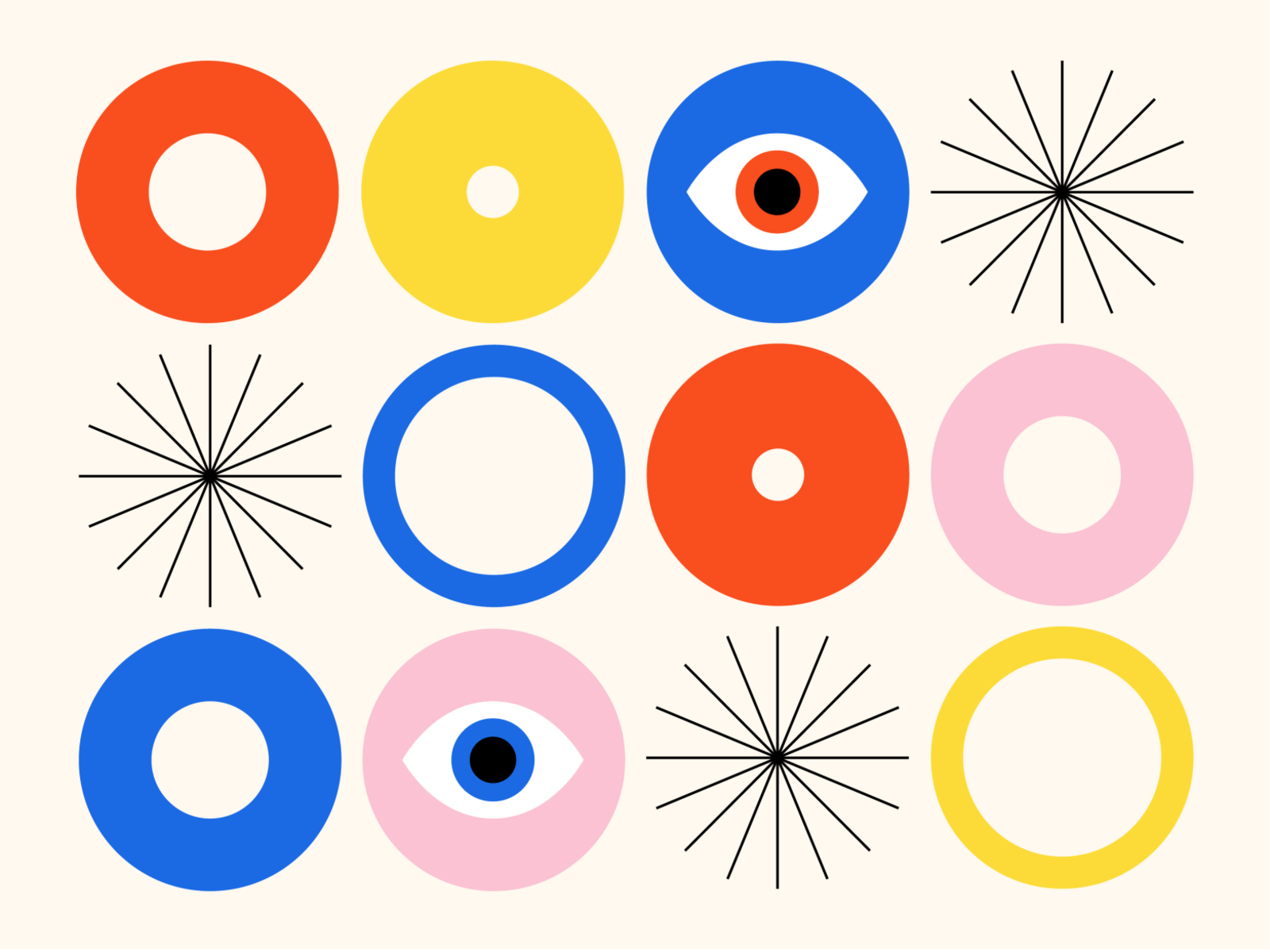

Design is a multifaceted correction that encompasses various principles to make visually likeable and functional pieces. One of the central principles that much goes unnoticed but plays a important role in design is the Variety Principle of Design. This principle emphasizes the importance of incorporating diversity and contrast in innovation elements to create involvement and mesh. By understanding and applying the Variety Principle of Design, designers can elevate their study from everyday to sinful.
Understanding the Variety Principle of Design
The Variety Principle of Design is rooted in the idea that repetition alone can lead to humdrum. While repeat is essential for creating concord and integrity in designing, it can become boring if not balanced with mixture. Variety introduces elements of surprise and interest, making the plan more active and piquant. This principle is peculiarly relevant in graphic design, web design, and still in inside design.
Key Elements of the Variety Principle of Design
The Variety Principle of Design can be achieved through several key elements:
- Color: Using a diverse pallet of colours can make visual stake and draw attention to different parts of the innovation.
- Shape: Incorporating versatile shapes and forms can add depth and complexity to the design.
- Size: Varying the size of elements can create a sense of hierarchy and emphasis.
- Texture: Different textures can add tactile interest and make the pattern more engaging.
- Typography: Using a mix of fonts and case sizes can raise legibility and visual solicitation.
Applying the Variety Principle of Design in Graphic Design
In graphical design, the Variety Principle of Design is essential for creating eye catching visuals. Here are some shipway to use this principle:
- Color Schemes: Experiment with dissimilar coloring schemes to evoke various emotions and moods. for example, exploitation bright colours can generate a lively and energetic feeling, while muted tones can convey a signified of unagitated and edification.
- Shape and Form: Incorporate a mix of geometric and constitutional shapes to add visual interest. Geometric shapes can create a sense of rescript and construction, while constitutional shapes can add a natural and runny feeling.
- Typography: Use a change of fonts to generate line and hierarchy. For example, pairing a sheer, sans serif font with a delicate, seriph case can make a prominent visual line.
for example, consider a posting innovation for an upshot. Using a single gloss scheme and font might make the posting looking dull and uninteresting. However, by incorporating a variety of colors, shapes, and fonts, the poster can become more visually likeable and piquant. The use of bold headlines, contrastive colours, and varied shapes can pull attention to key entropy and make the poster rack out.
Applying the Variety Principle of Design in Web Design
In web plan, the Variety Principle of Design is crucial for creating user favorable and visually appealing websites. Here are some shipway to use this rule:
- Layout: Use a mix of grid and loose form layouts to make visual interest. A grid layout can leave construction and constitution, while a free form layout can add a sentience of spontaneity and creativity.
- Color and Contrast: Incorporate a variety of colours and line to guide the user's care. for instance, using a richly contrast coloration system can shuffle important elements stand out, while a low contrast dodge can generate a more subtle and cohesive look.
- Typography: Use a variety of fonts and font sizes to raise legibility and visual prayer. For instance, using a boastfully, bold case for headings and a smaller, more readable font for body text can make a clear hierarchy and better user experience.
for example, count a website for an e commerce store. Using a undivided case and coloration outline might make the website looking humdrum and uninviting. However, by incorporating a variety of fonts, colors, and layouts, the website can rise more engaging and user favorable. The use of sheer headlines, contrastive colours, and varied layouts can guide the user's attention and make the shopping experience more pleasurable.
Applying the Variety Principle of Design in Interior Design
In interior design, the Variety Principle of Design is crucial for creating spaces that are both functional and aesthetically pleasing. Here are some shipway to apply this precept:
- Color and Texture: Use a form of colours and textures to make visual pursuit and depth. for example, combination rough and roughly textures can add tactile interest, while using a mix of warmly and nerveless colors can make a balanced and proportionate look.
- Furniture and Decor: Incorporate a mix of furniture styles and ornamental elements to add personality and character to the space. For example, pairing modern furniture with vintage decor can create a unique and eclecticist expression.
- Lighting: Use a variety of light sources to create different moods and atmospheres. for example, using a combination of ambient, job, and accent light can add depth and proportion to the space.
for instance, count a surviving way innovation. Using a individual color schema and furniture style might make the way look boring and untempting. However, by incorporating a form of colors, textures, and furniture styles, the way can suit more visually likeable and comfy. The use of sheer accent colours, varied textures, and eclectic decor can generate a warm and inviting atmosphere.
Benefits of the Variety Principle of Design
The Variety Principle of Design offers numerous benefits, including:
- Enhanced Visual Appeal: Incorporating mixture in innovation elements can make the design more visually appealing and piquant.
- Improved User Experience: Using a mix of pattern elements can guide the user's care and improve the boilersuit exploiter experience.
- Increased Creativity: Experimenting with different design elements can stimulate creativity and design.
- Better Communication: Using a variety of design elements can help convey composite ideas and information more effectively.
for instance, a well intentional infographic that uses a variety of colors, shapes, and fonts can intercommunicate composite data more efficaciously than a plain textbook papers. The use of visual elements can brand the information more piquant and easier to sympathise.
Challenges of the Variety Principle of Design
While the Variety Principle of Design offers legion benefits, it also presents some challenges:
- Overwhelming: Incorporating too much variety can brand the innovation feeling cluttered and overwhelming.
- Inconsistency: Using too many different intention elements can make a deficiency of coherence and consistency.
- Difficulty in Implementation: Balancing variety with concordance can be intriguing and requires a keen eye for innovation.
To overwhelm these challenges, it's important to mint a balance betwixt variety and harmony. Use a form of design elements to generate visual interest, but ensure that they work unitedly to generate a cohesive and unified looking. for instance, using a coherent semblance pallette and typography can help assert harmony, while incorporating varied shapes and textures can add visual interest.
Examples of the Variety Principle of Design in Action
To better empathize the Variety Principle of Design, let's look at some examples:
Consider the innovation of a magazine covert. A well designed magazine cover uses a variety of colors, shapes, and fonts to create visual interest and eviscerate attention to key elements. The use of bold headlines, contrasting colors, and varied shapes can make the covert viewpoint out and lure readers to pick it up.
Another case is the design of a nomadic app interface. A user friendly app port uses a change of design elements to guide the user's attending and improve the overall exploiter experience. The use of bold icons, contrastive colors, and varied layouts can brand the app more engaging and intuitive to use.
Finally, view the design of a retail store. A good designed retail stock uses a mixture of colours, textures, and furniture styles to create a visually appealing and inviting atmosphere. The use of sheer idiom colors, varied textures, and eclectic decor can shuffle the stock more appealing to customers and encourage them to spend more sentence browse.
Here is a table summarizing the key elements of the Variety Principle of Design and their applications:
| Element | Application | Example |
|---|---|---|
| Color | Create visual interest and draw attention | Using a mix of brilliantly and quiet colors in a poster designing |
| Shape | Add depth and complexity | Incorporating geometrical and constitutional shapes in a logotype intention |
| Size | Create a sense of hierarchy and emphasis | Using varied font sizes in a web plan to highlighting significant information |
| Texture | Add haptic interest | Combining suave and rough textures in an inside innovation |
| Typography | Enhance legibility and visual charm | Using a mix of fonts and font sizes in a folder plan |
Note: When applying the Variety Principle of Design, it's important to regard the boilersuit esthetical and purpose of the design. Too much variety can be overwhelming, while too little can be slow. Finding the plumb symmetry is key to creating a visually appealing and efficient pattern.
to resume, the Variety Principle of Design is a powerful tool that can raise any design projection. By incorporating diversity and line in design elements, designers can make visually appealing and engaging pieces that base out and seizure care. Whether in graphic intention, web designing, or interior designing, the Variety Principle of Design offers legion benefits and can assist designers achieve their originative goals. Understanding and applying this precept can lead to more dynamical, interesting, and effective designs that vibrate with audiences and leave a persistent impression.
Related Terms:
- principles of intention images
- accent precept of intention
- define variety precept of design
- mixture principle of design representative
- principles of art form examples
- principle of design variety definition